UV vs LED Nail Lamps: Differences and Skin Safety
Why gel needs a lamp, how UV and LED lamps differ, whether curing harms the skin and how to reduce UV exposure.
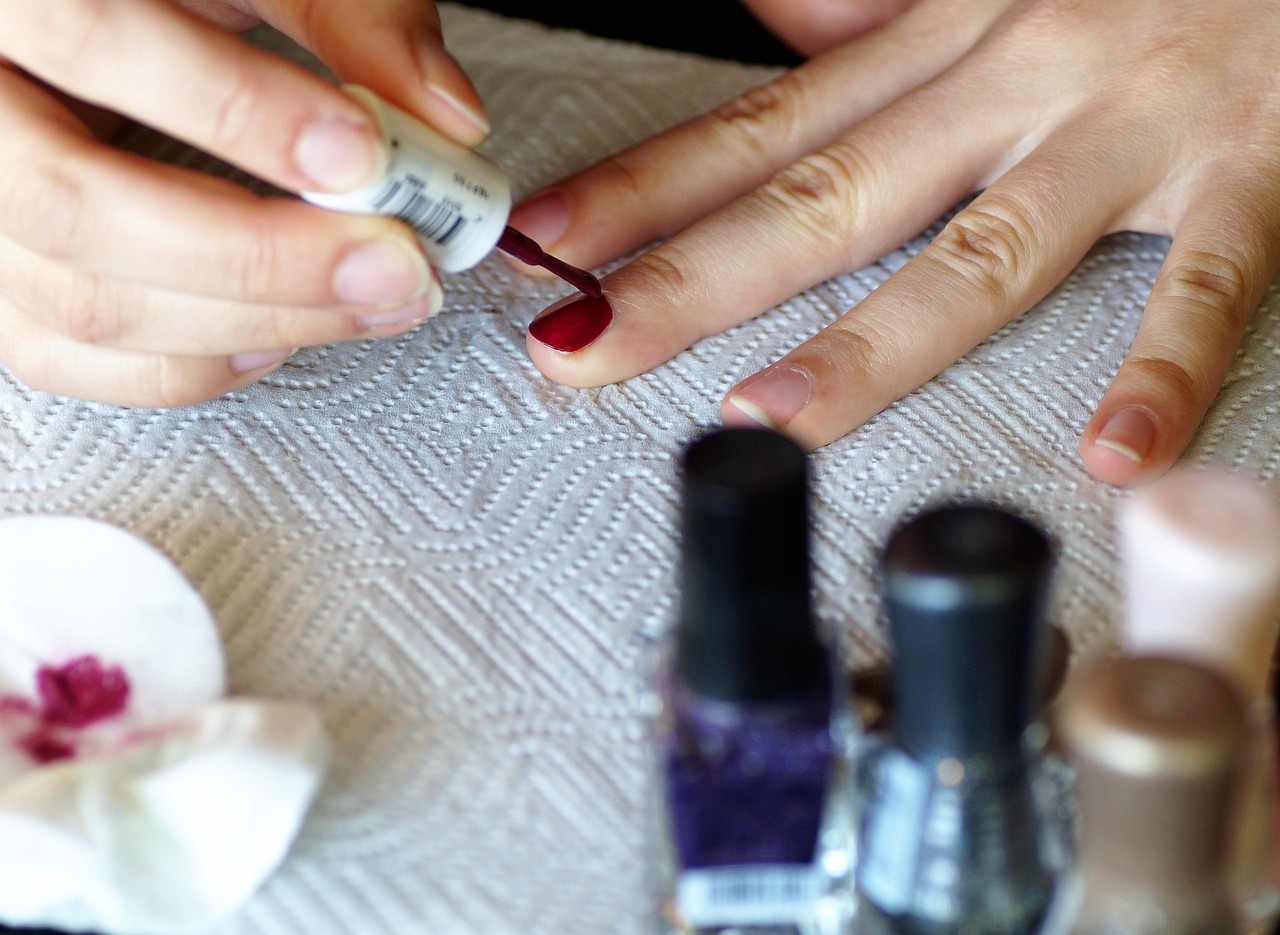
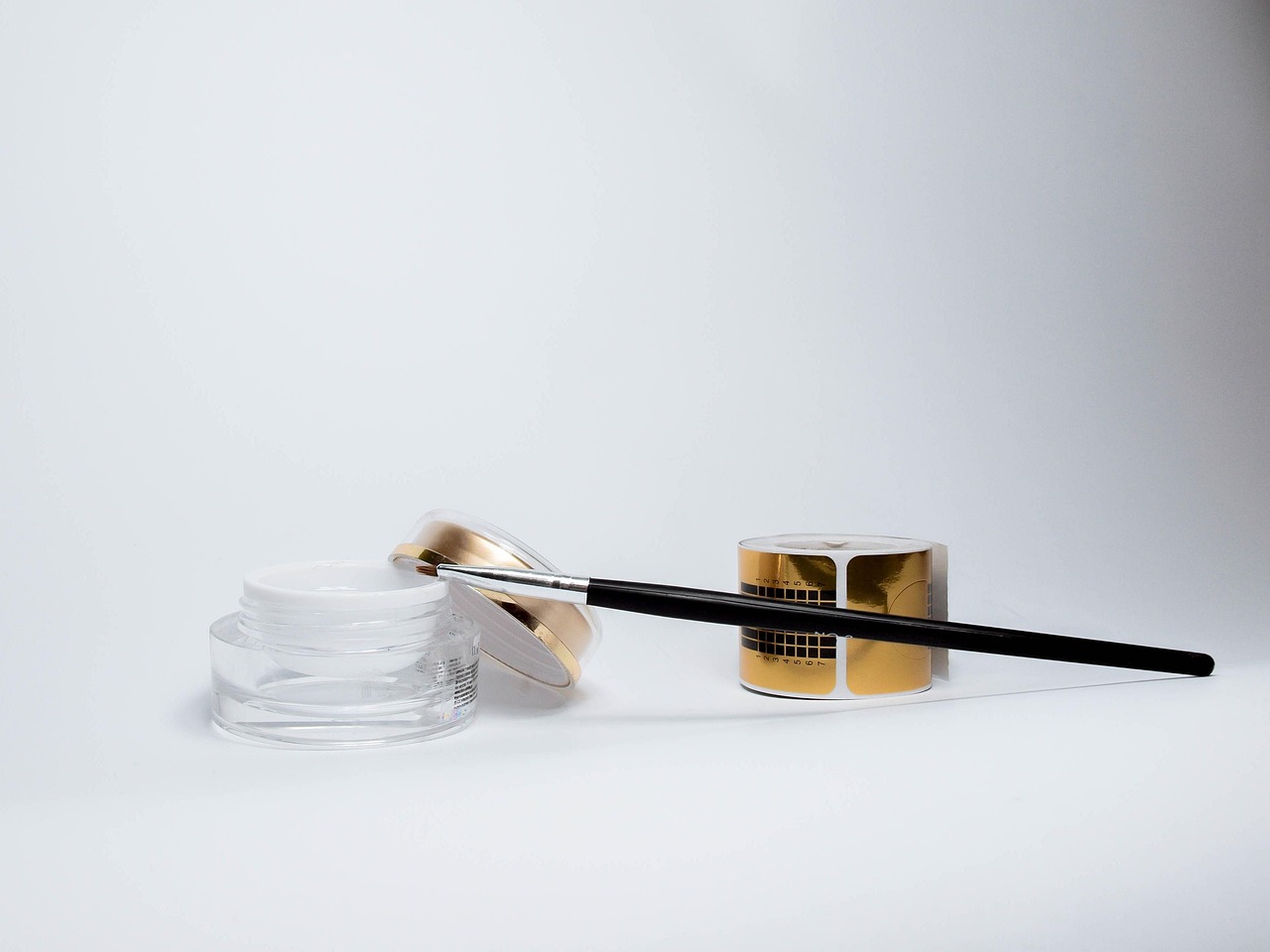
Ảnh: ivabalk / Pixabay
Gel hardens under a lamp. People often ask how UV and LED lamps differ and whether frequent curing harms the skin. Here is what is known and how to reduce exposure.
Why gel needs a lamp
Gel contains photoinitiators. Light of the right wavelength makes the gel molecules link and harden — which is why gel outlasts regular polish.
UV vs LED
Both emit UVA. "LED" nail lamps are UV LEDs with a narrow band around 365–405 nm; they cure a layer in about 30–60 seconds versus about 2 minutes for older fluorescent UV lamps, so total exposure is shorter.
Is it harmful?
UVA can age skin and, at high cumulative doses, raise skin-cancer risk. Exposure from nail lamps is short; current studies rate the risk as low but the question is not fully settled. If you have gel every month for years, reducing exposure makes sense.
Reducing exposure
- Broad-spectrum sunscreen on the backs of your hands 20 minutes before.
- Fingerless UV-protective gloves.
- Thin gel layers that cure quickly and evenly.
- Space appointments to every 3–4 weeks.
If you take photosensitising medication, ask your doctor first. A burning feeling under the lamp is heat from curing; lift your hand for a few seconds. VESSCA applies thin layers partly for this reason.
VESSCA is at 251/30 Le Quang Dinh, Gia Dinh ward (Binh Thanh), Ho Chi Minh City, open 9:00–20:30 daily.
Related reading
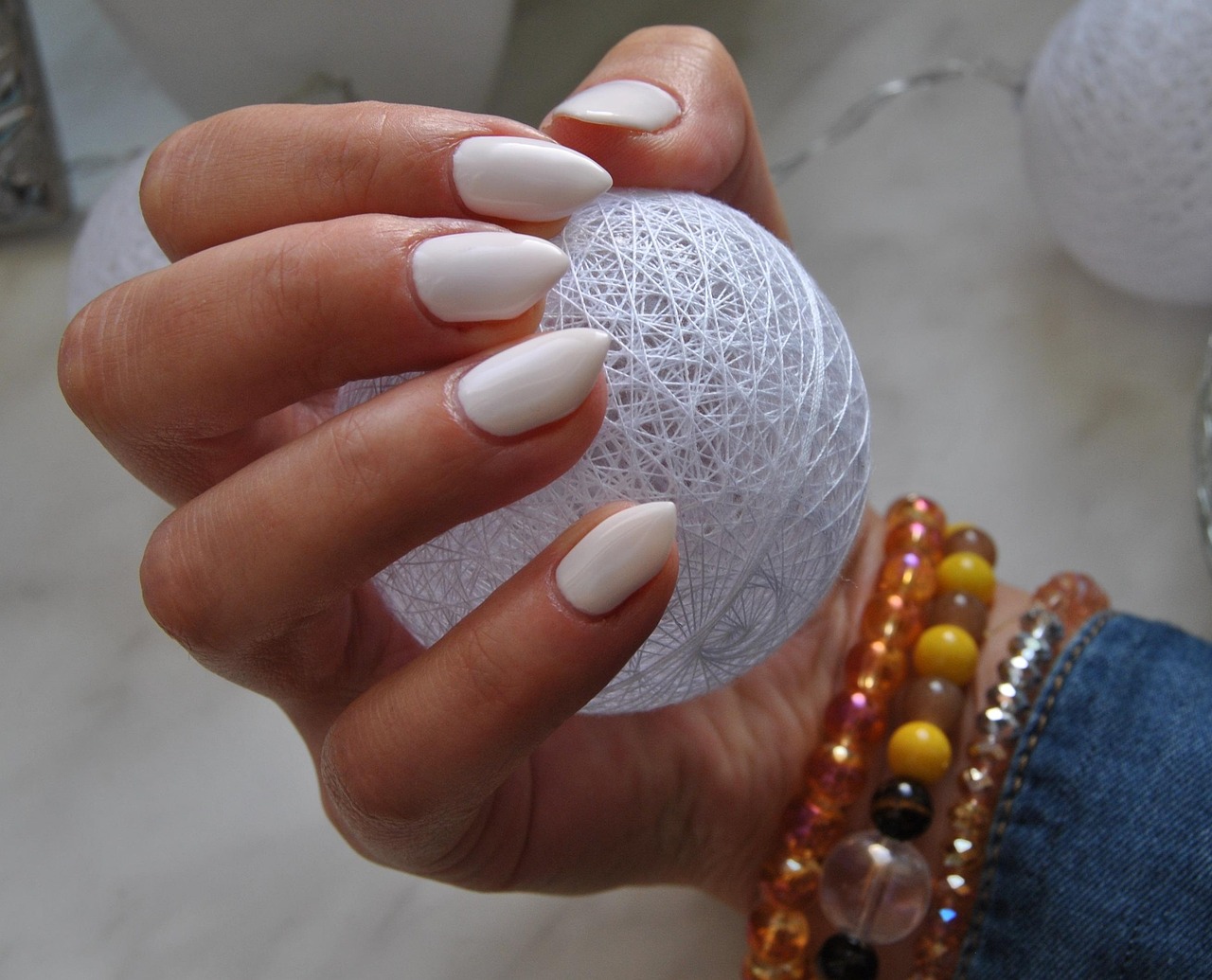
Oval, Square or Almond: Choosing the Right Nail Shape for Your Hands
Five common nail shapes, which suit short fingers, which last for people who type a lot, and how Korean nail shaping keeps…
Korean-Standard Nail Tools: What a Proper Salon Should Have
Much of what makes Korean nails different is the tools and how they are used. Four groups of tools — cuticle, shaping, colour…
What Is Builder Gel? Strengthening Weak Nails the Korean Way
Thin, breaking or dipped nails make gel lift early. Builder gel rebuilds the nail's structure. What it is, how it differs from…